



Discover Sri Lanka
Sri Lanka is a breathtaking island nation often described as the “Pearl of the Indian Ocean.” Known officially as the Democratic Socialist Republic of Sri Lanka, this teardrop-shaped island sits just south of India, surrounded by the sapphire waters of the Laccadive Sea.
Unlike the scattered atolls of its neighbors, Sri Lanka offers a compact yet incredibly diverse landscape where you can climb misty mountains in the morning and lounge on golden, palm-fringed beaches by sunset. With a reliable travel guide to Sri Lanka, you can explore these beautiful sceneries.
The country is known for its rich biodiversity, ancient UNESCO World Heritage sites, and world-class Ceylon tea. Whether you are a solo backpacker, a luxury seeker, or a family on holiday, Sri Lanka offers a soulful escape to all.
For an adventure that feels both grounded and grand, you can trust this Sri Lanka travel guide by Asian Destinations to help you navigate the island. From the rhythmic drumbeats in the temples of Kandy to the wild trumpets of elephants in Minneriya, your exploration starts with the right Sri Lanka tour guide.
Sri Lanka Tour Packages
Sri Lanka Holiday Package
Explore More
SRI LANKA TOUR ITINERARY
Explore More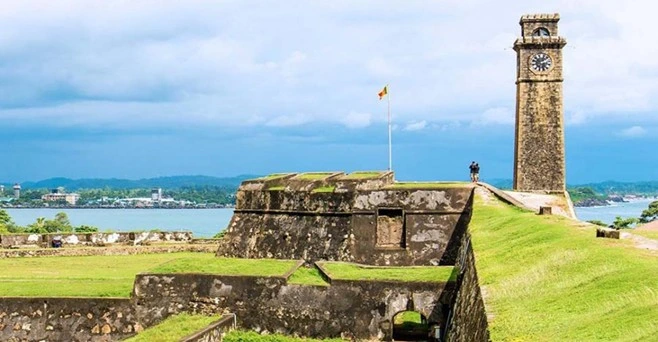
SRI LANKA TOUR ITINERARY -10 Nights / 11 Days
Explore MoreSri Lanka at a Glance
Capital: Sri Jayawardenepura Kotte.
Largest City: Colombo.
Population: Approximately 22 to 23.3 million.
Currency: Sri Lankan Rupee (LKR).
Time Zone: GMT+5:30 (SLST).
Calling Code: +94
Voltage: 230 V and 50 Hz. Type G (UK style) or Type D (round three-pin) is used most of the time.
Emergency Numbers: 119 or 118 for police, 1990 for ambulance or medical emergencies, 110 for fire services, and 117 for disaster management.
Tourist helpline: 1912.
Main Languages: Sinhala and Tamil.
Payment Methods: Cash (LKR) is the most popular payment method in Sri Lanka. You can change currency at the airport or from licensed commercial banks. Cards are also widely accepted at hotels and big establishments.
Best Time to Visit Sri Lanka
Although Sri Lanka is a year-round tourist destination, planning your trip around your travel needs can enhance your tourist experience. You can make use of a Sri Lanka tour guide to explore the island nation at the perfect time, according to your travel desires and requirements.
Peak Season (December to April)
This is the peak tourist season in Sri Lanka, as it is also the dry season, which offers a pleasant environment for exploration and adventure. The weather during this period is suitable not only for temple or cultural tours but also for beach exploration. The best Sri Lanka travel guide suggests visiting from December to April for the ultimate Sri Lanka experience.
Shoulder Season (May to November)
This is considered the shoulder season in Sri Lanka. While it is not the peak tourist season, it is still a good time to visit Sri Lanka and explore the island’s impeccable beaches and rich culture. The country gets monsoons during these months, which turns natural exploration mystical and magical.
During this period, you will find beaches with fewer crowds, which you can explore for a tranquil experience. Additionally, hotel prices are more economical than during the peak season.
How to Reach Sri Lanka
The primary gateway to this island nation is Bandaranaike International Airport (CMB) in Katunayake, located about 30 kilometers north of the commercial capital, Colombo. The airport is a major regional hub, well-connected to Europe, the Middle East, and Southeast Asia.
Travelers from London, Dubai, Doha, Singapore, Melbourne, and Mumbai can enjoy direct flights via carriers like SriLankan Airlines, Emirates, Qatar Airways, and Singapore Airlines. A second international airport, Mattala Rajapaksa (HRI) in the south, serves a limited number of charter and low-cost flights.
Domestic Connectivity
In Sri Lanka, the journey is just as important as the destination. Moving between cities is an adventure that offers some of the best photography opportunities on the island. Our Sri Lanka travel guide suggests the following means of transportation to explore the local areas:
The Iconic Train Ride
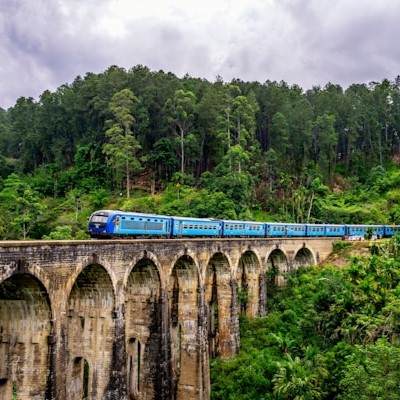
The rail journey from Kandy to Ella is world-famous. It winds through emerald tea plantations, over dramatic viaducts like the Nine Arch Bridge, and through misty eucalyptus forests. Pro tip: Book your “Observation Class” or “First Class” tickets well in advance, as they sell out within minutes of release.
Private Chauffeurs
For those seeking comfort and deep local insight, hiring a private car with a driver-guide is the gold standard. It allows you to stop at roadside fruit stalls or hidden waterfalls that buses and trains bypass.
Tuk-Tuks
For short distances, these colorful three-wheelers are the pulse of the island. They are nimble, affordable, and provide a literal “wind in your hair” experience. A little Sri Lanka travel tip is to always ensure the tuk-tuk has a working meter.
Cinnamon Air (Sea Planes)
If you are short on time and have a larger budget, domestic air taxis offer breathtaking bird’s-eye views of the island’s coastline and central reservoirs.
Visa Guide
If you are planning to visit Sri Lanka, you must go through this Sri Lanka tour guide to understand the visa application process and entry requirements.
Visiting Sri Lanka for an adventurous tourist experience? Well, you require an Electronic Travel Authorization (ETA) or visa, which is valid for at least 30 days. You can apply for an online visa at the ETA website. The application processing time is usually 24 to 48 hours.
There are 4 types of visas for Sri Lanka, which include:
- Tourist ETA, which is a short-term tourist visa, typically has a 30-day validity.
- Business ETA, which, as the name suggests, is a visa for business purposes. This too has a validity of 30 days.
- Transit ETA, which is a free visa for up to two days and requires proof of onward travel.
- Special Visas include residential visas for people planning to settle in Sri Lanka for a longer period. You must provide an acceptable reason to stay in the country for these.
Visa at a Glance
- Tourist Visa: Standard 30-day or 60-day entry (check current policy as durations frequently update to encourage tourism).
- Cost: Varies by nationality; SAARC (South Asian) countries usually pay a reduced fee.
- Extensions: If you fall in love with the island and want to stay longer, visas can be extended for up to six months at the Department of Immigration in Colombo.
Entry Requirements
For a successful visa application, there are some entry requirements you must complete. According to our highly rated Sri Lanka travel guide, these requirements are:
- You must carry a passport valid for at least 6 months.
- You must fill out your visa application correctly and clearly. These forms are available online at the official website and offline at Sri Lankan embassies around the world.
- You must carry essential documents that support your reason to travel, along with a return flight ticket, hotel bookings, or a letter of invitation from a native.
- You might also be asked to provide financial proof of sufficient funds.
Best Places to Visit
Sri Lanka is a small island with a massive personality. A good travel guide to Sri Lanka can help you plan your itinerary so you can explore the island nation immersively. It is best to view the island through its distinct geographical and cultural zones.
The Cultural Triangle: Ancient Majesty
For history buffs, the north-central plains are a treasure trove of UNESCO sites. According to our reliable Sri Lanka travel guide, you must take a tour of the cultural triangle, which includes:
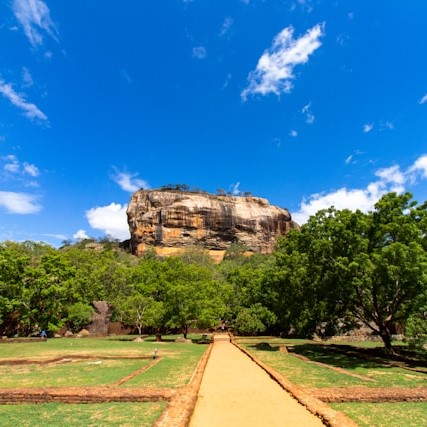
- Sigiriya (The Lion Rock): A massive 200-meter-high volcanic plug turned into a forest fortress. It features the famous “Cloud Maidens” frescoes and an advanced water garden system that still works today.
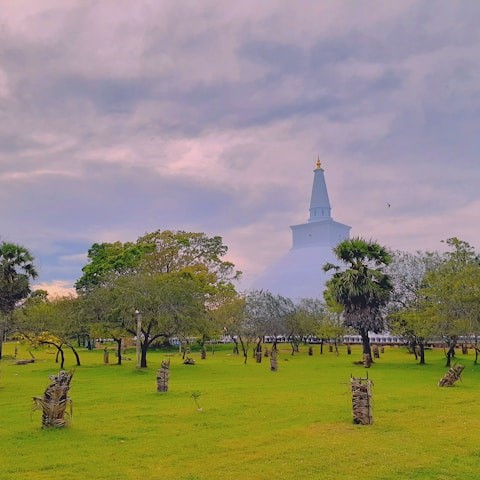
- Anuradhapura: A sprawling city of ancient ruins, including the Sri Maha Bodhi, a sacred fig tree grown from a sapling of the tree under which the Buddha attained enlightenment.
- Dambulla Cave Temple: A complex of five caves filled with over 150 Buddha statues and intricate ceiling paintings that have survived for centuries.
The Hill Country: Tea and Temples
The central highlands offer a cool retreat from the tropical heat of the coast.
- Kandy: The spiritual heart of the island, home to the Temple of the Sacred Tooth Relic. The annual Esala Perahera festival in July/August is one of the most vibrant cultural spectacles in Asia.
- Ella: A backpacker's favorite, known for the Nine Arch Bridge and the hike up Little Adam’s Peak. The views of the “Ella Gap” are legendary.
- Nuwara Eliya: Often called “Little England,” this town sits at a high altitude and is surrounded by rolling tea estates. You can visit a factory to see how Ceylon tea is processed from leaf to cup.
The South Coast: Sun, Surf, and Stilts
The south is where you find the quintessential “island life” vibe.
- Galle Fort: A living UNESCO World Heritage site. This 16th-century Dutch colonial fort is packed with chic boutiques, gelato shops, and restored villas. It is the perfect place for a sunset walk on the ramparts.
- Mirissa: Famous for its crescent-shaped beach and is the primary hub for whale watching. It is also home to “Coconut Tree Hill,” the most Instagrammed spot in Sri Lanka.
- Hiriketiya: A hidden horseshoe bay that has become a hotspot for digital nomads and “mellow” surfers.
The Wild East: Untamed Beauty
- Arugam Bay: A world-class surf point with a laid-back, “shack on the beach” atmosphere.
- Trincomalee: Home to Nilaveli Beach and Pigeon Island, offering the best snorkeling and diving on the island, including the chance to see reef sharks and sea turtles.
Wildlife and Biodiversity
Sri Lanka is often called the “Serengeti of Asia.” For a small island, the density of large animals is staggering.
- Yala National Park: This is the big one. It has one of the highest leopard densities in the world. While sightings are never guaranteed, the thrill of the chase through the scrub jungle is unforgettable.
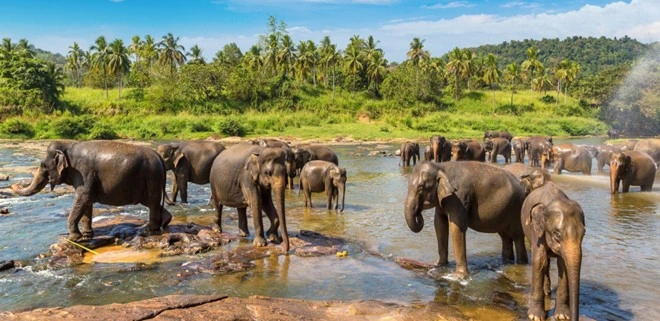
- Udawalawe National Park: If you want to see elephants, go here. The lack of dense vegetation makes it easy to spot herds of mothers and calves near the central reservoir.
- Minneriya (The Gathering): Between August and October, hundreds of wild elephants congregate around the Minneriya tank. It is the largest gathering of Asian elephants in the world.
- Sinharaja Forest Reserve: A virgin rainforest and a biodiversity hotspot. It is a must-visit for birdwatchers looking for “endemics” like the Sri Lankan Blue Magpie.
Activities and Experiences
A trip to Sri Lanka is defined by the activities that connect you to the local land and sea.
Snorkeling and Diving
While the Maldives is known for its atolls, Sri Lanka offers rocky reefs. The HMS Hermes, a sunken aircraft carrier off the east coast, is a bucket-list dive for divers all over the world. For casual snorkelers, Hikkaduwa and Polhena offer easy access to colorful fish and resident sea turtles.
Surfing for All Levels
From the gentle waves of Weligama (perfect for beginners) to the challenging breaks at Main Point in Arugam Bay, Sri Lanka is a premier surf destination. Surf camps are abundant, offering a community feel for solo travelers.
Hiking and Trekking
Beyond Ella, serious hikers should tackle Horton Plains National Park to see “World’s End,” a sheer precipice with a 1,200-meter drop. For a spiritual challenge, climb Adam’s Peak (Sri Pada) at night to witness the sunrise and the mountain's “shadow” cast upon the clouds.
The Art of Ceylon Tea
No trip is complete without a tea-tasting session. Learn about the grading system—from BOP (Broken Orange Pekoe) to the delicate “Silver Tips.” Walking through the rows of tea bushes alongside the skilled tea pluckers provides a deep appreciation for the labor behind your morning brew.
Practical Travel Information
To ensure your trip is as smooth as a South Coast sunset, keep these Sri Lanka travel tips in mind.
SIM Cards and Internet
Sri Lanka has excellent mobile coverage. You can buy a SIM card (Dialog or Mobitel are the best) at the airport arrivals hall for around $10–$15. This usually includes plenty of data for Google Maps and social media. While hotels have Wi-Fi, it can be spotty in the mountains, so a local data plan is highly recommended.
Safety Tips for Travelers
Sri Lanka is generally very safe for tourists, and the locals are famously helpful.
- Sun Protection: The sun is incredibly strong here. Use high-SPF reef-safe sunscreen and stay hydrated with “Thambili” (King Coconut).
- Wildlife Respect: When on safari, never ask your driver to get closer than the safety limit. Respect the animals' space.
- Water Safety: Be cautious of strong currents on the south and west coasts, especially during the monsoon transitions. Be careful and only swim in designated areas.
- Health: Drink bottled or filtered water. While street food is delicious, look for stalls with high turnover to ensure freshness.
Cultural Etiquette and Respect
Sri Lanka is a deeply religious country (primarily Buddhist, but also Hindu, Muslim, and Christian). Respecting local customs will open doors and earn you smiles.
- Dress Code: When visiting temples, you must cover your shoulders and knees. This applies to both men and women. Carrying a light sarong in your bag is a great “pro tip.”
- Photography: Never take a photo with your back turned to a Buddha statue, as this is considered highly disrespectful. Always ask permission before photographing locals, especially the iconic stilt fishermen (who may ask for a small tip).
- Public Decorum: Public displays of affection (PDA) are generally frowned upon in rural areas and sacred sites. Keep it modest.
- Poya Days: Every full moon is a public holiday called “Poya.” On these days, the sale of alcohol is prohibited island-wide. Most shops and businesses close, so plan your travel accordingly.
Sustainability and Conscious Travel
Sri Lanka’s ecosystems are fragile. As a traveler, you can help by taking a few simple steps, like:
- Refusing single-use plastic straws and bags.
- Choosing eco-certified hotels and lodges.
- Supporting local artisans rather than buying mass-produced souvenirs.
- Participating in beach clean-ups or turtle conservation programs that are ethically managed (avoid “hatcheries” that keep turtles in tanks for long periods).
Conclusion
Sri Lanka is more than just a pin on a map; it is a dream destination for many travelers. It is the smell of cinnamon drying in the sun, the sound of the ocean crashing against ancient fort walls, and the taste of a spicy crab curry shared with new friends.
While many come for the beaches, they depart from Sri Lanka appreciating the people, the genuine smiles, and the warm, welcoming culture. At Asian Destinations, we know that the secret to a trip that feels personal rather than just a tour is finding the right balance between the “must-sees” and the “hidden gems.”
The experience is found in the quiet mist of the morning in the Hill Country, the adrenaline of seeing a leopard's tail twitch in the grass, and the perfect stillness of a sunset in Galle.
You can lean on this solid Sri Lanka Travel Guide to ensure your time here is as vibrant and unforgettable as the island itself. For more Asian exploration, you can visit our website. We also offer a comprehensive travel guide for other Asian countries.
For instance, our Maldives travel guide is highly rated for its in-depth insight into the country, so you can travel with ease. Also browse through our India travel tips so you can assuredly explore the country and its rich cultural heritage. Visit Asian Destinations now and start planning your Asian rendezvous.