

Discover Maldives
The Maldives is a beautiful archipelagic country whose islands adorn the Arabian Sea. Officially known as the Republic of Maldives, the country consists of a chain of 26 atolls and over 1000 coral islands. The country is known worldwide for its “one island, one resort” concept.
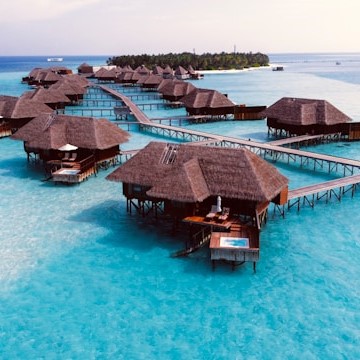
The Maldives is one of the most popular tourist destinations in the world, offering the scenic sights of the turquoise blue lagoons, vibrant coral reefs, and white-sand beaches. Tourists mainly stay in the resorts.
For maximum adventure and enriching exploration, you can rely on this Maldives travel guide. Enjoy world-class diving and snorkeling experiences in the Maldives. You can also witness the magical “megafauna,” like manta rays, whale sharks, and sea turtles.
It is also a famous honeymoon destination for couples. With a reliable Asian Destinations travel guide to the Maldives at your disposal, you can plan your Maldives vacation right.
Maldives at a Glance
Capital: Malé.
Largest City: Malé.
Largest Island: Gan (Laamu Atoll).
Population: 531,000 to 601,000 (approximately).
Currency: The official currency of the Maldives is the Maldivian Rufiyaa (MVR). The USD is widely accepted as well.
Time Zone: GMT +5
Calling Code: +960
Voltage: 230 V and 50 Hz.
Emergency Number: 119 for police, 102 for ambulance, and 118 for fire emergencies.
Tourist helpline: +(960) 332 3228
Main Languages: Most Maldivians (98.6%) speak Dhivehi. Other languages spoken in the Maldives are Sinhalese, Gujarati, and Malayalam. English is used to communicate at the tourist sites.
Payment Methods: The key payment method for tourists is cash. Cash payments are made in both MVR and USD. Visa and Mastercard are accepted and are the most common payment methods at most resorts and hotels in the Maldives. Digital wallets and apps have limited access.
Best Time to Visit the Maldives
The Maldives experiences a tropical climate and warm temperatures year-round. Although the Maldives is a prime tourist destination with a steady flow of visitors year-round, some months offer the perfect climate for travel. According to this reliable Maldives travel guide, you should visit the country in the following season for an enhanced experience:
Dry Season (November to April)
This is the peak tourism season. The Northeast Monsoon brings clear blue skies, calm seas, and low humidity. It is the best time for sun seekers and those who want to guarantee perfect weather for weddings or outdoor excursions. Because demand is high, it is essential to make advance bookings for the best resorts and domestic transfers.
Wet Season (May to October)
The Southwest Monsoon brings more frequent rainfall and occasional thunderstorms. While it rarely rains all day, the weather can be unpredictable. The benefit of traveling during this window is significant cost savings on luxury villas. The wet season is also the premier time for surfers, as the swells are more consistent, and for snorkelers hoping to see manta rays and whale sharks, particularly in the Baa Atoll.
How to Reach the Maldives
The primary gateway to this island nation is Velana International Airport (MLE), located on Hulhulé Island, which is adjacent to the capital city of Malé. The airport is well-connected to major global hubs in Europe, the Middle East, and Southeast Asia.
Travelers from Dubai, Doha, Singapore, Colombo, and Mumbai can take direct flights to the Maldives. Major carriers, including Emirates, Qatar Airways, and Singapore Airlines, operate daily services.
Domestic Connectivity
Since the country is waterbound, your commute to your hotel is part of the adventure. According to trusted Maldives tour guides, upon your arrival in Malé, there are three main ways to reach your other destination:
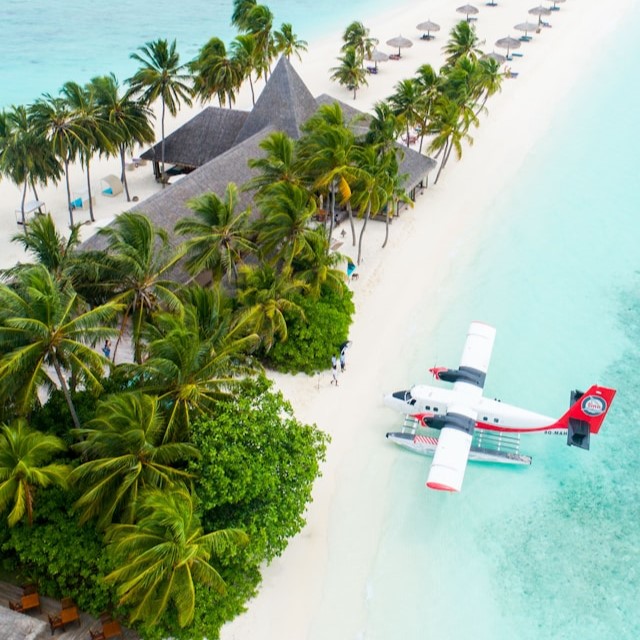
Seaplanes: For resorts located in distant atolls, a seaplane is the standard mode of transport. This offers a breathtaking bird's-eye view of the coral formations and turquoise lagoons. Seaplanes only operate during daylight hours, so if your international flight arrives after 3:30 PM, you may need to stay one night in Malé or Hulhumalé.
Speedboats: Resorts in the North and South Malé Atolls are typically reached directly from the airport jetty by speedboat. Speedboats are a convenient 24-hour option that takes 15 to 60 minutes, depending on the distance.
Domestic Flights: Some larger islands have regional airports. You will take a wheeled turboprop plane to a local airstrip, and then a short boat ride to your resort. This is often more cost-effective than a seaplane and can operate after dark.
Visa Guide
People of all nationalities (except for a few countries that have been exempted) can obtain a Maldivian visa, as the Maldives grants a free 30-day on-arrival visa to all visitors. The best Maldives travel guide suggests you visit the official Maldives visa portal for the most accurate and updated information.
Visa at a Glance
- Tourist Visa: Granted on arrival for all nationalities.
- Duration: 30 days (can be extended to 90 days).
- Cost: Free for the initial 30-day period.
Entry Requirements
To receive your visa on arrival, you must present the following:
- A passport with at least one month of validity.
- A prepaid hotel booking or proof of accommodation.
- Evidence of funds for the duration of your stay.
- A confirmed onward or return ticket.
- IMUGA Declaration: All travelers must fill out the Traveler Declaration form online via the official IMUGA portal within 96 hours before their arrival and departure.
Best Places to Visit
To help you plan your Maldivian getaway, it is best to view the archipelago through the lens of its diverse offerings. While every island features white sand, the experiences vary significantly depending on the atoll’s geography and local history.
Here are the best places to visit in the Maldives, categorized by theme:
Pristine Beaches and Lagoons
The hallmark of a Maldives travel guide is the classic overwater experience. For those seeking the most iconic stretches of sand, these locations are unbeatable.
- South Malé Atoll: Home to some of the most famous luxury resorts, this area is known for expansive, crystal-clear lagoons that stay waist-deep for hundreds of meters, making it perfect for safe swimming and photography.
- Fulhadhoo Island (Baa Atoll): Often rated among the most beautiful beaches in the world, this local island offers a lost-at-sea vibe. It features a massive, untouched white-sand bank and clear turquoise waters, away from the dense resort crowds.
- Veligandu Island: Located in the North Ari Atoll, this island is renowned for its long, tapering sandspit that disappears into the ocean, providing a stunning backdrop for sunset walks.
Wildlife and Marine Biodiversity
With a Maldives tour guide, you can explore the underwater world, a primary attraction for nature lovers. The Maldives is one of the few places on Earth where you can reliably encounter the big three: manta rays, whale sharks, and sea turtles.
- Hanifaru Bay (Baa Atoll): This UNESCO Biosphere Reserve is a world-renowned feeding ground. During the Southwest Monsoon, plankton gets trapped in the bay, attracting hundreds of manta rays and whale sharks in a feeding frenzy.
- Dhigurah Island (South Ari Atoll): Known as the “Long Island,” this is the best place for year-round whale shark sightings. You can swim with these gentle giants just a short boat ride from the shore.
- Lhaviyani Atoll: This region is famous for its “turtle airports, reefs where green and hawksbill turtles congregate in high numbers to feed and rest.
Heritage and Culture
While many associate the Maldives only with nature, the country has a rich seafaring history and a unique Islamic heritage that dates back centuries.
- Malé City: The capital is the heart of Maldivian heritage. The Hukuru Miskiy (Old Friday Mosque) is a masterpiece of coral-stone architecture, featuring intricate carvings that represent the fusion of traditional island craftsmanship and Islamic art.
- Utheemu Ganduvaru (Haa Alif Atoll): This is the wooden palace of Sultan Mohamed Thakurufaanu, a national hero who liberated the Maldives from Portuguese occupation in the 16th century. It is a beautifully preserved example of the historical Maldivian lifestyle.
- Isdhoo Island (Laamu Atoll): This island contains significant archaeological sites, including large mounds (hawittas) that are remains of Buddhist stupas from the pre-Islamic period of the Maldives.
Nature and Eco-Tourism
Beyond the beaches, the Maldives possess unique inland ecosystems, including freshwater lakes and dense mangrove forests that are rare in a coral-based nation.
- Fuvahmulah: This is a “one-island atoll” and is geologically unique. Unlike other islands, it has two freshwater lakes, Bandaara Kilhi and Dhadimagi Kilhi, surrounded by lush wetlands and mud baths that feel more like a tropical jungle than a typical sandbank.
- Addu Nature Park: Located in the southernmost atoll, this park protects the Eydhigali Kilhi wetlands and the Koattey area. It is a haven for migratory birds, including the rare White Tern, which is found only in this part of the Maldives.
- Huraa Mangroves: Situated in the North Malé Atoll, this protected area offers a glimpse into the mangrove ecosystems that protect the islands from erosion and serve as nurseries for baby lemon sharks and rays.
Activities and Experiences
The Maldives offer a wide range of activities for travelers. Utilizing a Maldives travel guide, you can find and enjoy many unmissable activities and experiences. If you are visiting the island nation, then consider indulging in the following things to do in the Maldives:
Snorkeling and Scuba Diving
The Maldives is essentially a series of submerged mountains topped with coral. Most resorts have a house reef just steps from your villa where you can see reef sharks, sea turtles, and vibrant parrotfish. For certified divers, the “kandus” (channels) offer exhilarating drift dives with pelagic species.
Water Sports
Thulusdhoo Island is the surfing capital of the Maldives, offering world-class breaks like Cokes and Chickens. Other islands provide everything from peaceful paddleboarding and kayaking to high-octane jet skiing and parasailing.
Wellness and Spas
Maldivian wellness culture often incorporates the sound of the ocean. Many spas are built over the water with glass floor panels, allowing you to watch the fish while receiving a massage. Traditional treatments often use local ingredients like coconut oil and sea salt.
Sandbank Picnics
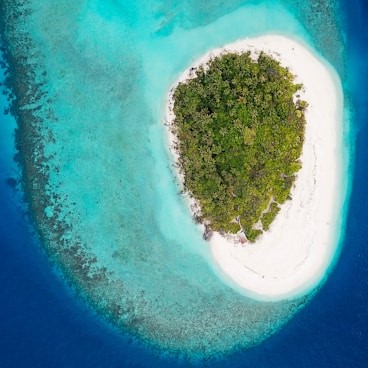
For the ultimate seclusion, you can be dropped off on a tiny, uninhabited strip of white sand in the middle of the ocean for a private lunch. It is a surreal experience where the only thing you see for miles is the gradient of the sea.
Practical Travel Information
While the Maldives is a dream destination, being aware of local laws and logistics will help your trip run smoothly.
SIM Cards and Internet Access
While most resorts offer complimentary Wi-Fi, it can sometimes be slow in remote villas. You can easily purchase a local SIM card (Dhiraagu or Ooredoo) at the airport arrivals hall. A 17 GB or 30 GB tourist pack is reasonably priced and offers excellent 4G/5G coverage across most of the archipelago.
Safety Tips for Travellers
The Maldives is one of the safest destinations globally. However, according to the best Maldives Travel Tips, you must:
- Always follow your dive master's instructions regarding currents.
- Use high-SPF sunscreen, as the sun is exceptionally strong near the equator.
- Respect marine life by not touching or stepping on the coral.
- In Malé and on local islands, be mindful of your belongings, though crime is very rare.
Cultural Etiquette
The Maldives is a 100% Muslim nation, and it is important to respect local sensitivities, especially when visiting inhabited islands. Please keep the following Maldives travel tips in mind during your Maldives trip:
Dress Code: On private resort islands, standard resort wear and bikinis are fine. On locally inhabited islands, guests should dress modestly (covering shoulders and thighs). Most local islands have designated “Bikini Beaches” where tourists can sunbathe in swimwear.
Alcohol: The import of alcohol is strictly prohibited. Alcohol is available and legal on private resort islands and safari boats, but it is not sold or permitted on local inhabited islands.
Public Decorum: Public displays of affection should be kept to a minimum when on local islands or in Malé.
Friday Prayer: Friday is a day of rest. In Malé and on local islands, shops and offices may close during prayer times, and ferry schedules may be limited.
Sustainability in the Maldives: As a nation on the front line of climate change, the Maldives encourages travelers to use “reef safe” sunscreen and participate in local conservation efforts. Choosing a resort with strong environmental ethics is a great way to ensure that these islands remain beautiful for generations to come.
Conclusion
The Maldives, as a tourist destination, defies all expectations, no matter how high your expectations were to begin with. It is one of those rare spots on the map where the clock seems to stop, letting the rhythm of the ocean take over. While most people see it as a once-in-a-lifetime trip, there is a certain pull to these atolls that makes you want to return the moment you leave.
We, at Asian Destinations, know the secret to a trip that feels personal rather than just expensive is picking the right atoll for your vibe and taking a moment to connect with the local way of life.
At the end of the day, the experience is about so much more than just a fancy villa; it is found in the salt air during a sunset cruise on a traditional dhoni, that sudden, perfect stillness when you dive beneath the surface, and the genuine warmth you feel from the Maldivian people.
You can lean on a solid Maldives Travel Guide provided by Asian Destinations to ensure your time here will be as effortless and clear as the water at your feet. You can also check out our other travel guides on our website.
We also offer a comprehensive India travel guide that can help you explore the country's rich culture and heritage. We also offer travel tips for people exploring Asian countries. For instance, our Sri Lanka travel tips have helped plenty of travelers explore the island nation and its beauty properly. Visit Asian Destinations and explore Asian countries with a reliable partner!