


Nepal Tour Guide
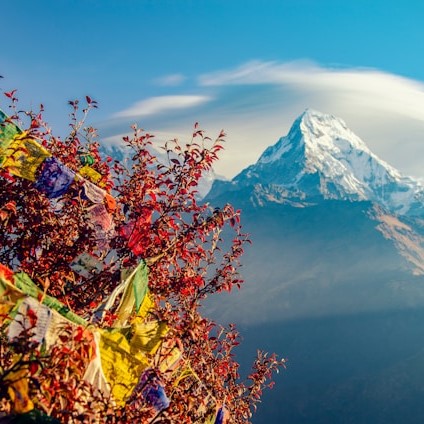
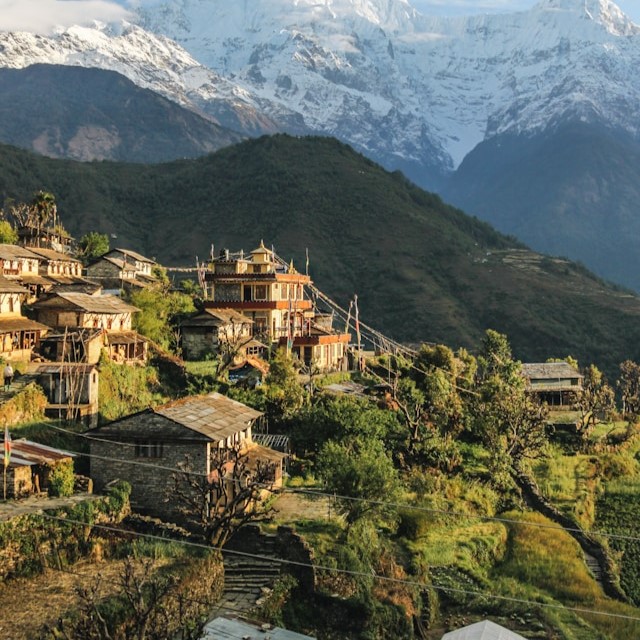
Nepal is a land of sacred temples, mighty mountains, and rich cultural heritage. Let this Nepal travel guide inspire you to become part of the enchanting tales that make this country so special. Pack your bags and come see Nepal!
Nepal Tour Packages
Nepal Cultural Trails, Hill Towns and Wildlife Adventure
Explore More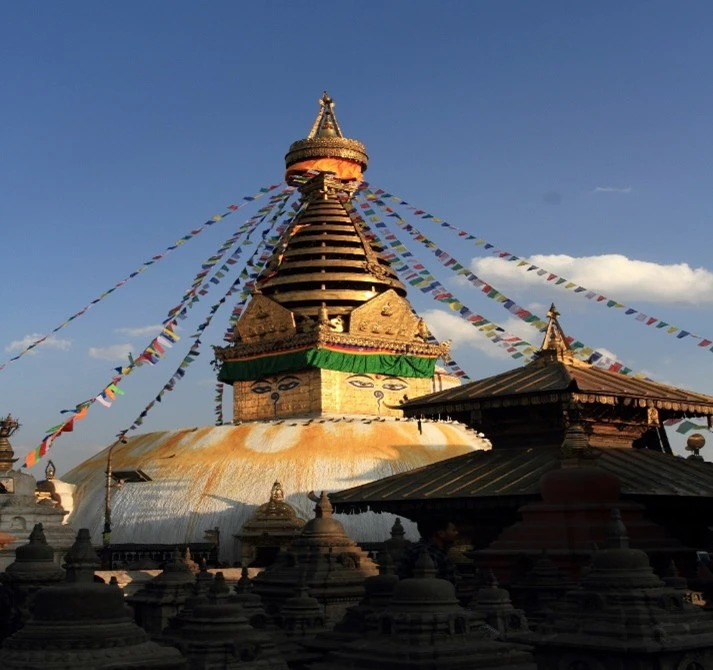
Nepal Heritage, Himalayan Views and Wildlife Escape
Explore More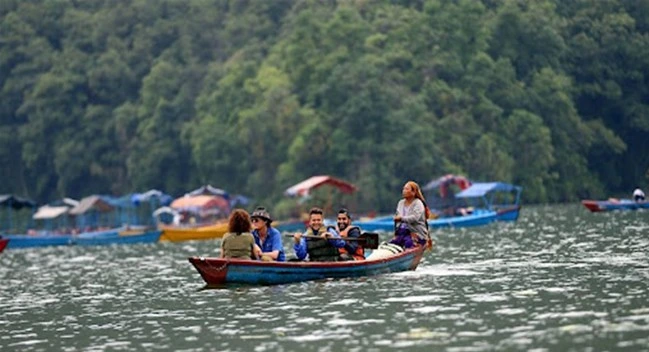
KATHMANDU & POKHRA
Explore MoreKnow About Nepal
Planning a trip to Nepal? These essential Nepal travel facts can be worth knowing.
Nepal Capital and Major Cities
- Capital City: Kathmandu
- Largest City: Kathmandu
Kathmandu is Nepal’s capital and a popular starting point for trips to ancient temples, historic squares, and the Himalayan region.
Nepal Population and Country Profile
- Population: Approximately 30 million
- Official Language: Nepali
The Currency of Nepal
- Official Currency: Nepalese Rupee
- Currency Code: NPR
- Currency Symbol: Rs or रू
Cash is good to take to be used in local shops, small eateries, taxis, and rural areas. Major hotels, restaurants, and shops in tourist centres may accept Visa and Mastercard. ATMs are available in Kathmandu, Pokhara, and other major cities.
Time Zones of Nepal and Time Difference
- Time Zone: Nepal Standard Time (NPT)
- UTC Offset: UTC+5:45
Nepal Standard Time (NST) is 5 hours and 45 minutes ahead of Greenwich Mean Time (GMT). Its time zone is also 15 minutes ahead of Indian Standard Time.
Nepal Country Code and Mobile Connectivity
- International Calling Code: +977
Local SIM cards and international roaming are options for tourists. Mobile signals are available in major cities and towns. However, coverage may be lacking in remote mountain areas.
Nepal Emergency Contact Numbers
Keep these emergency numbers with you as part of your Nepal travel tips:
- Police: 100
- Tourist Police: 1144
- Fire Service: 101
- Ambulance: 102
Travel-related incidents and other concerns can be shared with the Tourist Police. Save these numbers on your phone before travelling.
Languages Spoken in Nepal
Nepali is the main language of Nepal and is spoken in many different ways throughout the country, with Maithili, Bhojpuri, Tamang and Newar as well.
Many of the hotel employees and workers in the travel industry speak some level of English and are able to communicate with tourists. Service in remote locations may be lacking in English speakers.
Payment Methods in Nepal
Cards are accepted in most of the larger hotels, restaurants and shops in major tourist areas. However, for everyday transactions and purchases in local markets, cash will be needed. Smaller local shops may not accept cards.
Local digital payment services eSewa and Khalti are convenient for locals to make digital payment transfers, and for tourists to pay for smaller items.
Internet Access and Wi-Fi in Nepal
Wi-Fi is available in hotels, cafes and restaurants in cities and tourist areas. Travellers may want to purchase a local SIM for data. Internet may not be available during a trek through the Himalayas.
Electricity and Power Plugs in Nepal
The power voltage in Nepal is 230V, at a frequency of 50Hz. Most travel adaptors will cover the main power sockets in use in Nepal.
Nepal’s Pride and Glory
- Mount Everest: Nepal is home to Mount Everest, the world’s highest mountain, standing at about 8,849 metres.
- Eight of the World’s Highest Peaks: Eight of the world’s ten highest mountains lie in Nepal, including Kanchenjunga, Lhotse, and Makalu.
- A Unique National Flag: Nepal is the only country in the world with a non-rectangular national flag, which consists of two triangular pennants.
- A Distinct Calendar: Like many other South Asian countries, Nepal has its own unique calendar called Bikram Sambat, which is around 56-57 years ahead of the current Gregorian calendar.
- No Day of Independence: Since the country has never been under colonial rule, Nepal does not observe Independence Day.
- The Birthplace of Buddha: The birthplace of the great Buddha, Lord Gautam Buddha, is located in southern Nepal in the region of Lumbini.
- The Living Goddess Kumari: A young Nepalese girl has the honor and privilege of being the Kumari – an incarnation of the goddess that is worshipped by both Hindus and Buddhists, according to a unique custom of Nepal.
Best Time to Visit Nepal
So, when is the best time to visit Nepal? Honestly, any time you feel like coming here can be the right time.
While some months are better for trekking, the views are never-ending. This Nepal travel guide breaks down the seasons to help you decide when to travel to Nepal.
Spring (March to May)
Best for Trekking and Mountain Views
Beginning with spring, this is one of the main trekking seasons in Nepal. In this period of time, the hills of many regions turn green, rhododendrons bloom across the mountain trails, and the weather is pleasant for outdoor activities.
Summer and Monsoon (June to September)
Best for Lush Landscapes and Rain-Shadow Regions
Coming to summer, this is when Nepal receives most of its annual rainfall. You may face heavy showers, slippery trekking trails, road delays, and changes to domestic flight schedules. So, what can you do during this season?
You can consider rain-shadow areas such as Mustang, which receive much less rain than many other parts of Nepal. As part of your Nepal tour guide planning, you need to first investigate the weather there and road conditions before setting out, especially when travelling through mountain areas.
Autumn (September to November)
Best for Trekking and Clear Himalayan Views
Now, autumn is one of the most popular times to visit Nepal, particularly in October and November. The monsoon rain has generally cleared, and the skies tend to be clearer, so you have a better chance of seeing the Himalayan peaks.
During this time, you can go trekking in the Everest, Annapurna, and Langtang regions and visit all of the culturally rich historical sites in and around Kathmandu. Attend local festivals and plan your trip accordingly, as this is a busy travel season.
Winter (December to February)
Best for Cultural Sightseeing and Low-Altitude Trips
In winter, the weather gets colder in the mountains, and higher trekking routes may have snow and ice. But that does not mean you need to skip Nepal during these months.
You can visit the temples and heritage sites in the Kathmandu Valley, or head to the Terai region to see wildlife and other cultural sites. As a useful Nepal travel tip reminder, packing warm clothes is a good idea for those cold mornings and evenings in Nepal. Check the conditions of the trails before planning high-altitude treks.
Nepal Visa Guide
The majority of foreigners will be able to receive a tourist visa upon their entry. The procedure can be based on which country they are from.
Nepal Tourist Visa at a Glance
- Visa on arrival: It is provided to citizens of certain countries but only at designated entry points like Tribhuvan International Airport in Kathmandu.
- Visa duration: You can apply for a 15-day, 30-day, or 90-day multiple-entry visa.
- Passport validity: Your passport should be valid for at least six months.
- Visa fees: The fee depends on the type of visa you apply for. Check before applying and paying.
- Application method: Fill in the online visa form before arrival or use a kiosk at the airport.
These are the tourist visa fees listed by Nepal’s Department of Immigration. Some visitors can get a free visa, while people from specific countries must apply before travelling.
Steps to Obtain a Tourist Visa in Nepal
Once you have the documents in place, the process is very easy. Proceed through the following:
- Fill in the online form: Apply for the same form from the official Nepal Immigration website or visit an airport kiosk.
- Save your receipt: Save a copy of your form and barcode receipt to your phone or print it.
- Pay the visa fee at the counter: The counter is the last stop before you reach the visa section, so do carry US dollars in cash as a backup.
- Go to Immigration: Present your application receipt, payment proof, and passport to an immigration official to gain entry into Nepal.
- Collect your visa: If approved, you're permitted to enter Nepal.
A useful Nepal travel tip is to complete the online form before your flight. This can help reduce the time you spend on paperwork after landing.
Things to Check Before You Travel
This planning will help you avoid unexpected Visa issues.
- Check your nationality rules: Not everyone is permitted to apply for a visa on arrival. Check this before planning your trip.
- Keep your documents with you: Carry your passport, application receipt, and one passport-size photo.
- Use trusted websites: Some websites charge for services that may be free, so check the details before paying.
- Reach the airport early: Arrive with enough time for check-in and other formalities, especially during busy travel seasons.
Your travel guide to Nepal will need the updated entry requirements. Thus, carry your flight and hotel booking details to avoid any confusion at the start of your trip.
Good News for Indian Travellers
Indian citizens do not need a tourist visa to travel to Nepal. However, they must carry valid identity documents accepted by the authorities. A Nepal tour guide or travel company can also assist visitors touring for the first time in the country to understand local travel arrangements and plan their sightseeing.
How to Reach Nepal
To land in Nepal, there are many options you can pick from a travel guide to Nepal based on where you have been beginning the tour, the budget you have, and the places you want to visit.
International Flights to Nepal
Tribhuvan International Airport (TIA) in Kathmandu is the main international airport serving Nepal. You can take a direct flight to Kathmandu from cities like Delhi, Mumbai, Dubai, Bangkok, Doha and Kuala Lumpur.
Kathmandu is a convenient starting point for your Nepal travel guide. There are also two other international airports: Pokhara International Airport and Gautam Buddha International Airport in Bhairahawa, near Lumbini.
International services at these airports are more limited than those at Kathmandu, so check current routes before booking your tickets.
Travelling to Nepal by Road
Coming from India? You can enter Nepal by road through the Sunauli-Bhairahawa, Raxaul-Birgunj, and Panitanki-Kakarbhitta routes.
As the entry points are border checkpoints, it is advised to utilise the most appropriate road connections if you are entering the country by bus or other means of transport. Crossing Sunauli is a good option for reaching Lumbini and then Kathmandu or Pokhara.
Those transversing Nepal by road must utilise the official entry points and present the necessary travel documents. Additionally, check the updated entry requirements for your nationality ahead of time, as these can change.
Domestic Flights Between Nepal's Main Destinations
It is worth considering domestic flights as a convenient way of reaching remote mountainous destinations. You can fly between Kathmandu and Pokhara, two of Nepal’s most popular destinations, and also to Lukla, Bharatpur, Jomsom, and other regional airports.
The flight between Kathmandu and Pokhara takes about 25-30 minutes, which is significantly less time than the 10+ hour drive from Kathmandu to Pokhara. It is also important to note that the weather can sometimes make the mountainous airports inaccessible.
Tourist Buses and Coaches for Intercity Travel
If you’re looking for an affordable way to get around the country, tourist buses are a great option. You get a budget-friendly tour from Kathmandu to Pokhara, Chitwan, and Lumbini.
Also, as per Nepal travel tips, book your tickets in advance, especially when there’s peak travel season.
Are There Trains in Nepal?
When planning transport through this Nepal travel guide, know that Nepal does not have a developed railway system connecting its major destinations. That said, there are cross-border rail services between Jaynagar in India and Kurtha in Nepal. The routes are part of the larger Janakpur rail network.
Best Places to Visit in Nepal
Nepal has all of that in one country. This Nepal travel guide covers some lovely places to visit, from busy city streets to peaceful mountain villages.
Kathmandu Valley
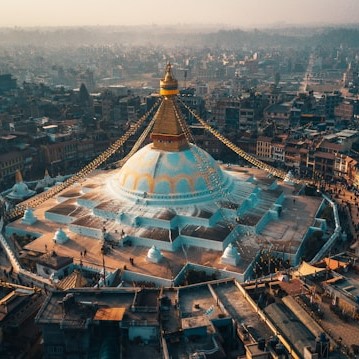
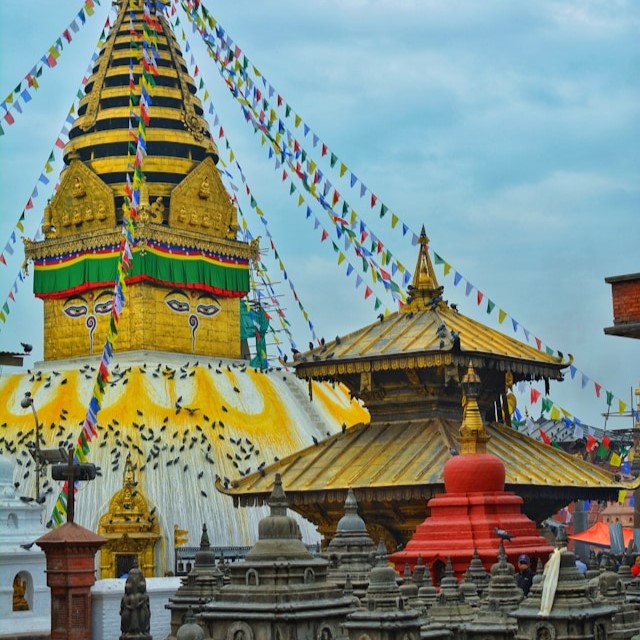
Kathmandu Valley is a great place to start your trip. Visit Pashupatinath Temple, walk up to Swayambhunath, also called the Monkey Temple, or see the huge white dome of Boudhanath Stupa.
Bhaktapur
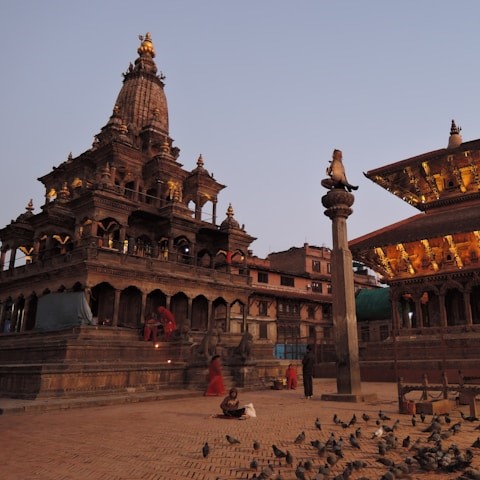
Stop at Bhaktapur Durbar Square, watch local potters at work in Pottery Square, and try the local food. Do not miss juju dhau, a rich, creamy yoghurt that Bhaktapur is famous for.
Lumbini
Lumbini is the birthplace of Gautama Buddha. You can visit the Maya Devi Temple and see monasteries built by Buddhist communities from different countries. The area has a calm atmosphere, so it is a good place to slow down and learn about Buddhism.
Pokhara
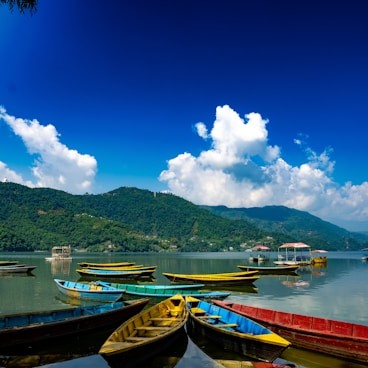
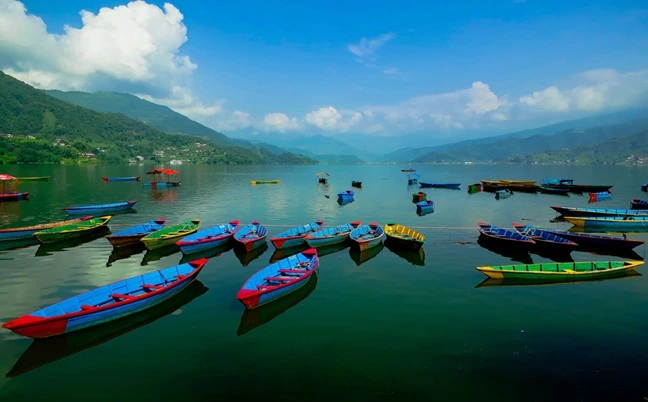
Pokhara is one of those places where you can fill your day with activities. Go for a boat ride on Phewa Lake, visit the World Peace Pagoda, or head to Sarangkot early in the morning for views of the Annapurna range on a clear day.
Feeling adventurous? Paragliding is popular here, and rafting trips are available on nearby rivers. You will also find plenty of cafés and local food spots around Lakeside.
Chitwan National Park
You can go on a guided jeep safari, watch birds, or take a canoe trip on the Rapti River where permitted. One-horned rhinoceroses are among the animals you may spot, along with crocodiles and many bird species. Bengal tigers also live in the park, though sightings are rare.
Muktinath and Mustang
The Mustang is paradise. Muktinath Temple is an important pilgrimage site for both Hindus and Buddhists. You can also visit the town of Lo Manthang in Upper Mustang, though special permits and travel arrangements are required for this restricted area.
Dakshinkali Temple
It is located south of Kathmandu and dedicated to the goddess Kali. The devotees come here to pray mainly on Tuesdays and Saturdays. Since this is a religious place, dress respectfully and follow the customs you see at the temple.
How to Get Around Nepal's Cities and Tourist Areas
Getting around Nepal is generally straightforward within the main cities.
Taxis and Ride-Hailing Apps
If you require a taxi, they are available in the capital city of Kathmandu, Pokhara, and other busy centres around the country.
In Kathmandu and other major cities, you can also use ride-hailing services such as Pathao and inDrive. These apps allow you to know about the cost of your journey beforehand and request a driver to take you to your destination.
Public Buses and Local Transport
The best (and cheapest!) way to get around is by using local public transport. While buses and microbuses can be a good way of getting around, they can also be challenging because of the limited availability of timetables and the potential for crowding at peak times.
In addition, three-wheeled motorized vehicles and even rickshaws are available in some places as a way of getting short-distance transport. It is also possible to walk around the city, particularly in the busy capital city of Kathmandu.
Private Cars and Jeeps with Drivers
Looking to hire a car or jeep with a driver for greater flexibility when exploring the country? Many local drivers are available for hire from a reputable Nepal tour guide company and can offer a more convenient option for sightseeing. Jeeps are also a good option you can go for to navigate the rough mountain roads in Nepal.
Motorbike and Scooter Rentals
Motorbike and Scooter rentals are available in some regions, including Kathmandu and Pokhara. However, these are not recommended for less experienced riders as the road system is quite complex and requires a good amount of driving skills. It is advised to wear a helmet when riding a motorcycle and to check the bike for any damage.
Most importantly, it is very important to go through the fine print and know the insurance details before renting the vehicle, as per the best Nepal travel tips.
Nepal’s Local Food
Okay, this is one part of Nepal you should not skip!
Dal Bhat
A classic Nepali meal with steamed rice, lentil soup, vegetables, and pickles. Some plates also include meat curry. It is a filling meal you will find in homes and restaurants across Nepal.
Momos
These little dumplings are a favourite across Nepal. You can get them steamed or fried, with vegetable, chicken, or other meat fillings. They are served with a spicy tomato-based dipping sauce.
Sel Roti
This ring-shaped bread is made from rice flour and fried until it turns golden. It has a slightly sweet taste and a crisp outside. You will see it especially served during Nepali festivals, such as Dashain and Tihar celebrations.
Wai Wai
Seen those colourful noodle packets in local shops? Wai Wai is a popular Nepali instant noodle brand. People eat the noodles dry with the seasoning, cook them in hot water, or prepare them with vegetables and other ingredients.
Titora
Love sweet, sour, and spicy snacks? Give titora a try. It is a fruit-based treat sold in small shops, with flavours that can range from tangy to quite spicy. Lapsi, a sour Himalayan fruit, is a popular ingredient.
Chatpate
You will find this snack in the streets of Nepal, served with a mixture of puffed rice, chopped vegetables, spices, lemon juice, and crunchy noodles. It is tangy, crunchy, and spicy, so you can ask the vendor for less chilli if you prefer a milder taste.
Yomari
This is a traditional Newari sweet that has a pointed, fish-like shape and a soft rice-flour shell. It is prepared with a filling of chaku, a molasses-based sweet, or sometimes a mixture containing sesame seeds. It is especially popular during the Yomari Punhi festival.
Bara
Bara is a savoury pancake from Newari cuisine, which is made with ground black lentils. You can eat it plain or try versions topped with egg or minced meat. It is a great option when you want to try something different from the usual rice dishes.
Cultural Traditions and Customs
You know how every country has different culture, customs, and way of life, and Nepal has its charm too.
Religion and Traditions
Hinduism and Buddhism are the two major religions believed in Nepal. There are temples, Buddhist stupas, and monasteries across the country.
How to Greet People
A simple “Namaste” or “Namaskar” with your palms pressed together is a lovely way to greet people in Nepal. It is polite, respectful, and easy to remember when meeting locals.
What to Wear
You can tour wearing casual clothes. However, when going to temples and monasteries, you need to cover your shoulders and knees as a sign of respect for local beliefs.
Temple Etiquette
Before entering any religious places, you need to remove your shoes and walk clockwise around Buddhist stupas. Do not touch sacred statues or objects, and ask permission before taking pictures inside temples or of local people.
Safety Tips for a Safe Trip to Nepal
Nepal is a safe country for the vast majority of visitors, but you do still need to take care. Someone could snatch your wallet or con you out of a large amount of cash in some crowded locations such as Kathmandu or Pokhara. Use these Nepal travel tips to stay safe while traveling:
- Pay attention to weather and trail conditions before starting your trek.
- Wear and bring the right gear for the activity, and bring enough water.
- In the mountains or while on a remote trail, hire a licensed Nepal tour guide to be on the safe side.
- Carry emergency numbers.
- Keep your wallet, phone and passport close to you.
- Never walk alone on dark streets or in deserted neighborhoods after dark.
- Stick to populated, brightly lit streets and use safe transportation to get back to your hotel.
Make sure you have read a Nepal travel guide before you go so that you know what to expect.
Nepal Is Calling, and Asian Destinations Is Here to Help!
Dreaming of the soaring Himalayan Mountains, tranquil temples and idyllic small villages in Nepal? Let us plan your trip and make it all happen.
Our Nepal travel guide can assist you in finding the right track of adventure, culture, and relaxation, so you can spend less time worrying about the details and more time taking in Nepal.
So, what are you waiting for? When Nepal call you, let Asian Destinations help you answer!
Frequently Asked Questions
A trip to Nepal can be planned for 5 to 7 days. This will help you cover major places like Kathmandu and Pokhara and allow you to experience Nepal's diverse culture and the mountain views.