
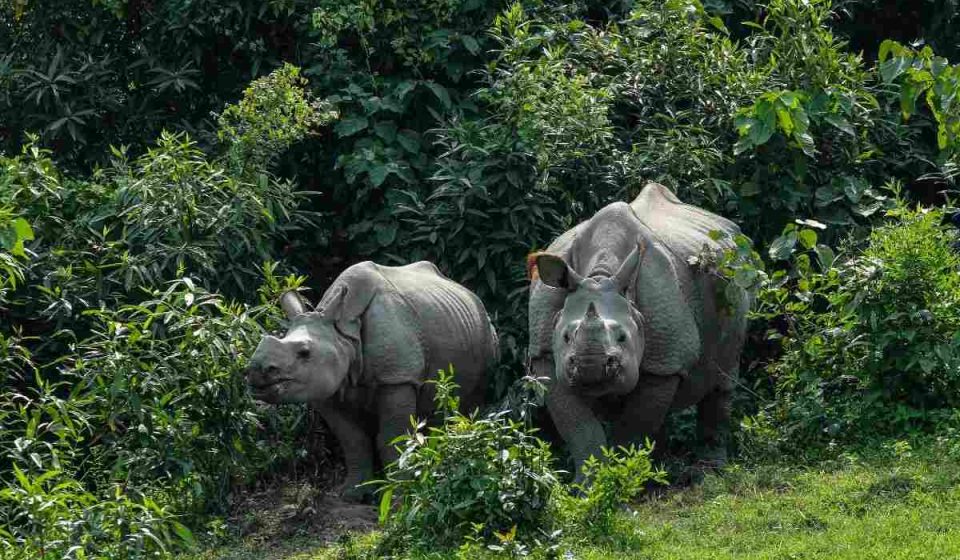

India is basically a dream spot for wildlife lovers, with forests, grasslands, mountains and wetlands packed with incredible species. You can spot a Royal Bengal Tiger in the wild, watch an Asiatic Lion roam its habitat, or catch a glimpse of elephants, leopards, rhinos and colourful birds.
Across the country, national parks and wildlife sanctuaries protect these animals and their natural homes. However, with so many parks across different landscapes, picking your first destination can get a little confusing.
So, for all the first-timers out there, this guide covers the best wildlife destinations in India for your first trip, so you can find the right place to start exploring India’s wild side.
Ranthambore National Park, Rajasthan
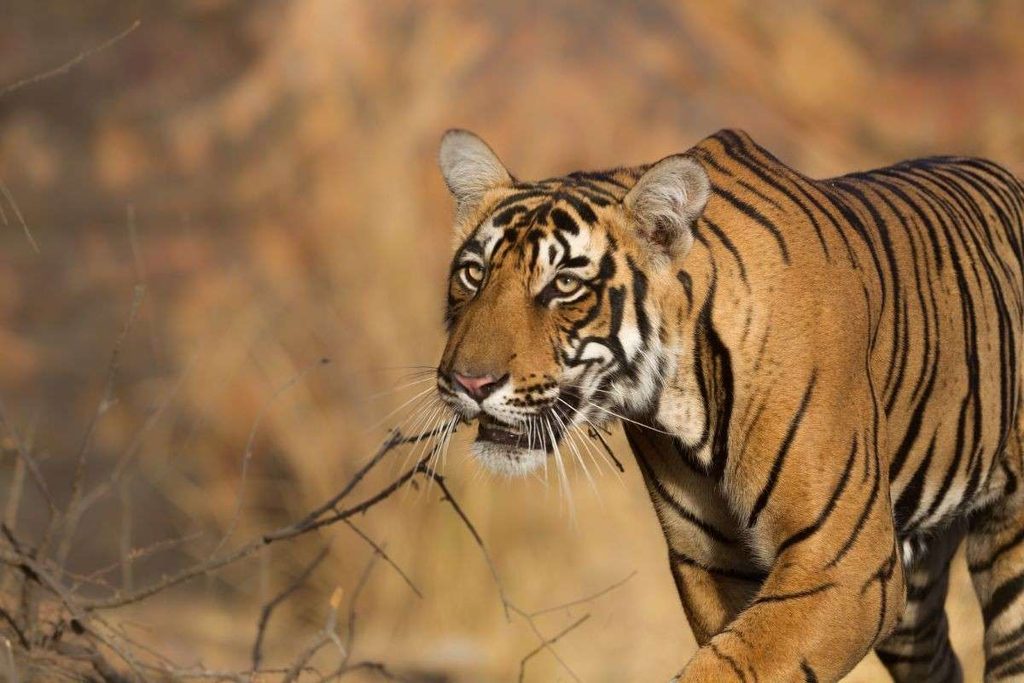
Want to start with the best wildlife destinations in India? Visit none other than Ranthambore National Park. This is the place to put on your list when you want to see the wild side of Rajasthan.
Located in Sawai Madhopur district, the park is especially famous for its Bengal tigers. And yes, spotting a tiger here is the moment most visitors are hoping for, but there is plenty more to see around the park.
Ranthambore is home to leopards, sloth bears, jackals, hyenas, nilgai, sambar, chital, langurs and wild boar. You can also spot many species of birds and reptiles during a safari. Then there is the famous Ranthambore Fort, sitting within the park and adding a completely different side to the visit.
The park was declared a wildlife sanctuary in 1957 and came under the Government of India’s Project Tiger programme in 1974. Getting here is also fairly simple, with Sawai Madhopur railway station around 15 km away and Jaipur Airport around 195 km away.
You can plan your visit to this one of the best wildlife places in India from November to February. March to May get very hot, but the dry months can make spotting wildlife easier.
Jim Corbett National Park, Uttarakhand
Next on the list is Jim Corbett National Park, and this one deserves your attention. Tucked away in the foothills of the Himalayas in Uttarakhand, Corbett is one of the best wildlife places in India for a close look at the country’s rich wildlife.
Corbett became the first sanctuary to come under the Government of India’s Project Tiger programme in 1973. The location is a combination of sal forests, open grasslands and rivers, a home to a wide range of animals.
There is no doubt that the park is most popular for its tigers, but there is a lot more waiting across its forests, grasslands and rivers. You can spot sambar deer, Indian hog deer and Asian elephants here, and sightings of gharials and mugger crocodiles can also make a safari pretty exciting.
Bird lovers have another reason to put Corbett on their list. With almost 600 species of birds found in the park, it is also a great place to include in a bird-watching tour.
Getting to Corbett is fairly simple too. The park is around 20 km from Ramnagar Railway Station, which is the nearest rail connection, and Pantnagar Airport is approximately 125 to 126 km away.
As for the best time to visit, mid-November to March is a popular period. December to February can get quite cold, with temperatures dropping to around 5°C, so pack accordingly.
Kaziranga National Park, Assam
Now, how about heading towards Assam for something a little different? Kaziranga National Park is one of those hidden places in India for travellers who want to see a side of the country that feels far removed from the usual tourist stops.
Set across the districts of Golaghat, Nagaon and Sonitpur, the park is best known for the Indian one-horned rhinoceros, and seeing one walking through the grasslands is quite a sight. Rhinos may steal the spotlight, but elephants, wild buffaloes, tigers, leopards, deer and bears also call Kaziranga home.
The park is also known for its rich birdlife, with both resident and migratory birds adding plenty of activity to the quieter parts of the park. It is easy to see why Kaziranga is counted among the best wildlife sanctuaries in India, especially for travellers interested in rare wildlife and conservation.
Reaching Kaziranga is fairly straightforward. Jorhat Airport is around 115 km away, Guwahati Airport is approximately 193 km away, and Furkating Railway Station is around 80 km from the park.
November to April is a good period to visit, with wildlife sightings particularly good from the end of March to early April. Kaziranga was declared a national park in 1976 and became a UNESCO World Heritage Site in 1985.
Kanha National Park, Madhya Pradesh
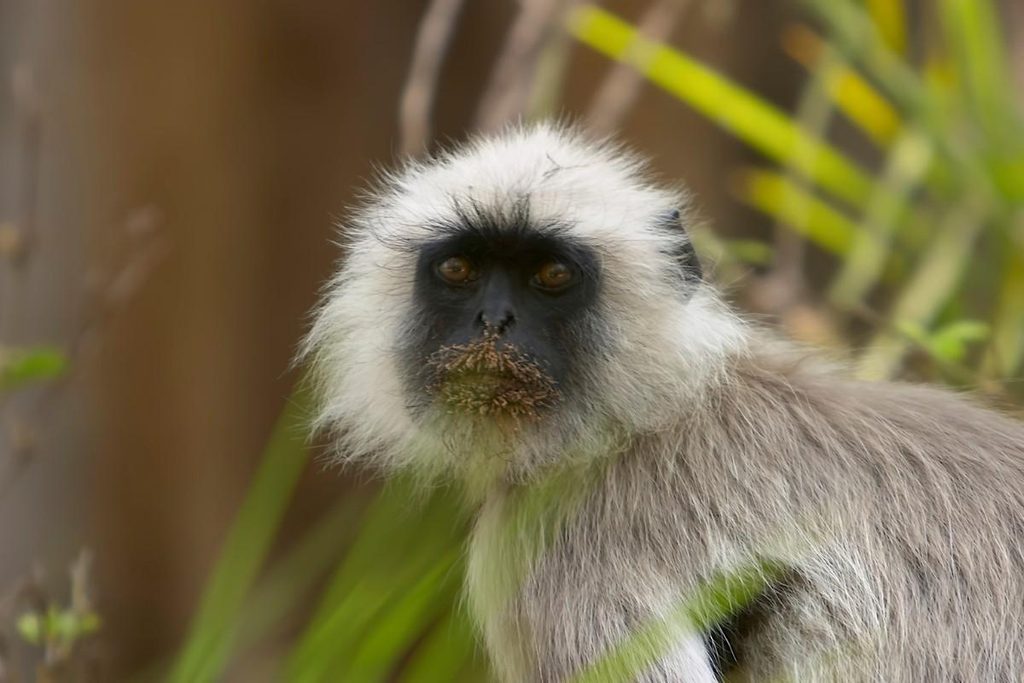
Here comes another one that first-time wildlife visitors should have on their list: Kanha National Park in Madhya Pradesh. Set in the Maikal Range, Kanha is the largest national park in Central India and has the kind of landscape you may recognise from stories about the wild Indian forest.
Yes, Rudyard Kipling’s The Jungle Book was inspired by the forests of Central India, and when you arrive here, you get to experience that classic mix of sal forests, bamboo, open grasslands and winding streams.
The Bengal tiger is a major reason people come here, but there is plenty happening around the park. Leopards, sloth bears, Indian wild dogs, gaur, wild boar, sambar and several species of deer can also be seen.
Kanha is especially known for the rare hard-ground barasingha, which has found a protected home in the park’s grasslands. With close to 300 bird species recorded here, there is plenty for bird lovers to look out for too. All of this puts Kanha among the best wildlife places in India for a proper taste of Central India’s forests.
Getting to Kanha takes a little planning. Jabalpur Airport and Railway Station are both around 175 km away. The park can also be reached by road from places such as Khajuraho and Bandhavgarh.
November to March is a good period for a visit, especially for birdlife. Tiger sightings can be particularly good during the hotter months of April and May, although temperatures can be very high.
Bandhavgarh National Park, Madhya Pradesh
Next up for best wildlife places in India is Bandhavgarh National Park, tucked into the Vindhya Ranges of Madhya Pradesh. This is one for travellers who want forests, open meadows, hills and a good chance of spotting wildlife in the same place.
The park has gained worldwide attention for its tiger sightings. Tigers may be the main attraction, but keep an eye out for leopards, sloth bears, sambar, chital, barking deer, gaur and nilgai too.
Bird lovers also have plenty to spot, with hornbills, parakeets and several birds of prey found here. With its rich mix of mammals, birds, butterflies and reptiles, Bandhavgarh also ranks among the best wildlife sanctuaries in India.
Reaching here is simple by road from Kanha or Khajuraho. Jabalpur Airport is around 195 km away, and Umaria Railway Station is about 34 km away. October to March is a good period for a visit, with January to April suited to tiger sightings.
Bandipur National Park, Karnataka
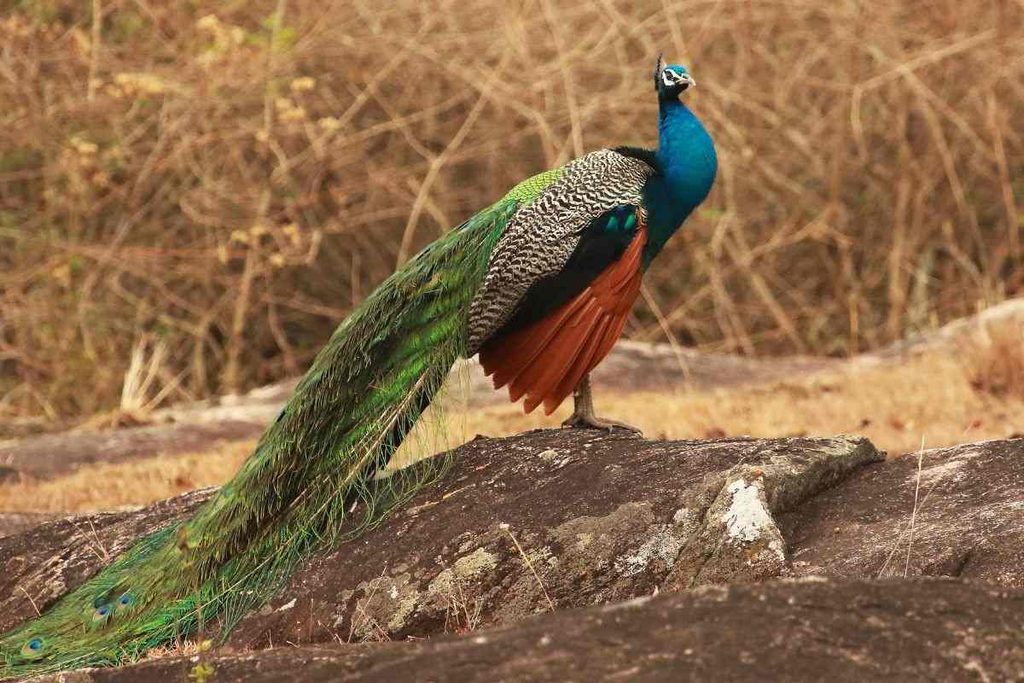
Last on our list for first-time visitors is Bandipur National Park, a beautiful stretch of forest in Karnataka. Along the Western Ghats, Bandipur is one of the best wildlife sanctuaries in India, where you can see wildlife in a peaceful forest setting without travelling deep into the wilderness.
You can spot animals such as tigers, elephants, leopards, gaur and sambar deer. The forest becomes especially interesting during a safari, as you never quite know what may appear along the way.
Bird lovers can also spot many species across the woodland and open areas. With its rich wildlife and natural setting, Bandipur is undoubtedly counted among the best wildlife destinations in India.
Getting here is fairly easy, with Mysuru being the nearest major city and airport. October to March is a good period to visit, with pleasant weather that makes it easier to spend time outdoors.
A First-Timer’s Guide to India’s Wildlife | The Asia Destination
India has no shortage of places where you can experience wildlife in its natural habitat. However, if you are landing here for the first time, The Asia Destinations has more travel guides and destination information to help you learn about places across India and Asia.
Browse the site for practical travel tips, more of the best wildlife destinations in India and ideas for your next trip. For first-time visitors in India, there are plenty of ways to experience the country’s diverse animals, landscapes and protected natural areas.
FAQs
Q1. Which is better, Ranthambore or Bandhavgarh?
Ans: It can’t be decided which one is better between Ranthambore and Bandhavgarh. On the one hand, Ranthambore is popular for its tigers, lakes, dry forests and historic fort. Bandhavgarh has a high tiger population and dense forest.
That said, both are great places for a wildlife trip. You can visit both to see the difference and decide which one you liked the most.
Q2. Which are the 2 largest tiger reserves in India?
Ans: Nagarjunsagar-Srisailam Tiger Reserve in Andhra Pradesh is the largest. It covers almost 3,728 square kilometres. Manas Tiger Reserve in Assam comes next, covering about 2,837 square kilometres. These figures refer to the total tiger reserve area, including core and buffer zones.
Q3. How many days are sufficient to visit Ranthambore?
Ans: Two to three days are a good amount of time for Ranthambore. You get enough time for two or three safari drives, along with a visit to Ranthambore Fort.
Q4. Is a private car allowed in Ranthambore Fort?
Ans: A private car cannot be used for a safari inside Ranthambore National Park. The fort has separate access rules, and current local guidance says outside vehicles may need to use a local registered taxi for the road to the fort.
Q5. Which state in India has the most tigers?
Ans: Madhya Pradesh has the highest tiger population among Indian states. In 2022, the All India Tiger Estimation recorded 785 tigers in the state.